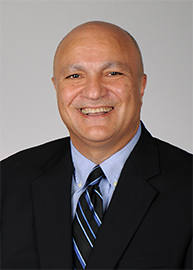
Besim Ogretmen, Ph.D.
Determining the mechanisms by which alterations in lipid metabolism and signaling regulate cancer growth, proliferation, metastasis, and response to chemotherapy or immunotherapy modalities
Research Interest
My research focuses on defining molecular and biochemical mechanisms by which sphingolipid signaling regulates cancer pathogenesis and therapeutics. My laboratory has been working in this field about 20 years, and we have developed novel molecular, pharmacologic, and genetic tools to uncover mechanisms by which sphingolipids regulate cancer growth, metastasis, and anti-cancer therapeutics. In addition, we have developed a very strong Lipid Signaling in Cancer Program, and an exceptional Lipidomics Shared Resource at the Hollings Cancer Center (HCC), which I serve as director. I served as the director and the principal investigator of the Center of Biomedical Research Excellence (P30, COBRE) in Lipidomics and Pathobiology at MUSC. The Lipidomics Program at MUSC is one of the strongest lipid research centers in the United States containing highly focused programs on sphingolipid metabolism and signaling. As a leader of the Lipid Signaling in Cancer Program at the HCC, and the Director of Center of Lipidomics, I have been involved in building up the cancer research team, which has been key for the NCI-redesignation of our Cancer Center in 2014. Moreover, I have been the PI for a Program Project Grant (P01, PPG), which focuses on targeting lipid signaling for cancer therapy, including a phase II clinical trial. Currently, I am the director of the Lipidomics Facility at MUSC, specializing in sphingolipid biology, providing services to the Medical University of South Carolina and institutions or industries throughout the world. The Lipidomics Facility is composed of analytical and synthetic units providing expertise, synthetic compounds/standards, and analytical methodology (LC-MS/MS) to enhance an understanding of the role of bioactive lipids in cancer cell biology. My research program has been one of the leading centers for understanding the mechanisms and roles of bioactive sphingolipids in the regulation of cancer growth/proliferation and therapy, involving multi-investigator collaborations performing cutting-edge studies using structural biology, molecular genetics, and tumor immunology techniques with regards to lipid signal transduction.