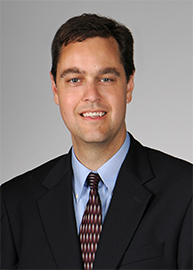
Eric Meissner, M.D., Ph.D.
How modulation of endogenous interferon pathways in stem-cell derived hepatocytes affects hepatitis B virus, which is a major inducer of hepatocellular carcinoma worldwide
Research Interest
I am an infectious diseases physician-scientist with interest in clinical care, clinical research, and basic research. After joining the Infectious Diseases faculty at the Medical University of South Carolina (MUSC) in 2014, I was awarded a K08 from NIAID (2016-2020) where I conducted an in-depth analysis of liver and blood samples from antiviral-treated HCV-infected patients to identify immune, biologic correlates of treatment outcome. This work solidified my interest in understanding how interferon lambdas influence chronic viral infection and prompted my return to basic research to explore this line of investigation from a mechanistic perspective. In 2020, I was selected as a Junior Investigator on the Digestive and Liver Diseases COBRE that is funded through NIGMS (PI Dr. Stephen Duncan, Co-I). During this award, my laboratory has focused on hypothesis-driven, mechanistic in vitro work inspired by insights gleaned from my hepatitis C virus work. With the help of an excellent staff scientist (Dr. Novotny, Co-I on this proposal) and MSTP student, along with mentorship provided through the COBRE and core facilities available at MUSC, we developed the expertise to work with stem-cell derived hepatocytes to explore how interferon lambda signaling is regulated by canonical and non-canonical isoforms of the lambda interferon receptor. We have gained important new insight that form the foundation of our current laboratory work, showing that these isoforms differentially control signaling pathways that dictate gene expression in hepatocytes treated with lambda interferons in a way that influences hepatitis B virus replication. While conducting this research, in response to the SARS-CoV-2 pandemic, I was asked to assume additional clinical and research responsibilities between 2020-2022. I was the Principal Investigator for multiple clinical trials that evaluated therapeutics for SARS-CoV-2 and I conducted a seroprevalence study in health care workers on behalf of the MUSC College of Medicine. I also continued work as an Infectious Diseases consult attending, as a clinic provider for persons infected with HIV and viral hepatitis, as the Medical Director of HIV and Hepatitis Patient Care and Research within the Division of Infectious Diseases, and as the Principal Investigator on multiple clinical trials related to HIV. My career goal is to continue to serve as an infectious disease physician, to offer clinical trial opportunities for our patients, and to run a robust basic science research program focused on understanding mechanisms of innate immunity that impact viral infection with a goal of informing future therapies.