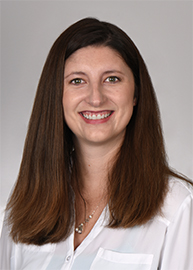
Rachel Tomko, Ph.D.
Understanding individual differences in cannabis and tobacco use to enhance treatment efforts
Research Interest
I am a licensed clinical psychologist and my primary career goal is to decrease harms, including cancer-related harms, associated with substance use. My work focuses on understanding the person-specific mechanisms that maintain substance use, identifying predictors of treatment response, and developing treatment decision-making algorithms. Cannabis use is of particular interest given that cannabinoids have therapeutic applications, yet a subset of people develop symptoms consistent with a cannabis use disorder (CUD) due to chronic, non-medical use. Clinically, my research focuses on individual differences in response to cannabis to determine who is at risk of developing CUD as a result of non-medical use of delta-9-tetrahydrocannabinol. I have examined the unique role of negative emotions in the maintenance of non-medical cannabis use, particularly as it varies across age and sex/gender. Ongoing work is examining sex and gender-specific recommendations for low-risk non-medical cannabis use, the influence of ovarian hormones on ability to reduce cannabis use during CUD treatment, whether cannabidiol can reduce stress reactivity during cannabis withdrawal, and individual differences in subjective response to delta-9-tetrahydrocannabinol. Though cannabis is my primary focus, my research also examines individual differences in tobacco and alcohol use disorders. Ongoing work is developing multivariable and machine learning models to predict response to smoking cessation pharmacotherapy with an eye toward personalized medicine.