Hollings Cancer Center Members
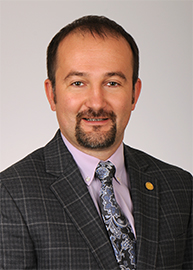
Alexander Alekseyenko, Ph.D.
Professor
Public Health Sciences
Panomics, unique individual factors, and data science in cancer related health outcomes
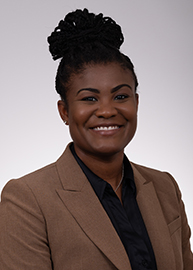
Trisha Amboree, Ph.D.
Assistant Professor
Public Health Sciences
Cancer epidemiology, human papillomavirus, cervical cancer, screening, prevention
.jpg)
Howard Becker, Ph.D.
Professor
Neurosciences
Alcohol and stress interactions that impact risk for and progression of various cancers.

Mariel Bello, Ph.D.
Assistant Professor
Psychiatry & Behavioral Sciences
My primary cancer-related research interests involve investigating the social-contextual and behavioral mechanisms underlying tobacco use and cessation to inform equitable prevention and intervention efforts that reduce tobacco-related cancer disparities.
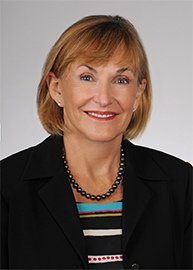
Kathleen Brady, M.D., Ph.D.
Professor
Psychiatry & Behavioral Sciences
Managing all aspects of basic, translational, and clinical research and the development of the research enterprise
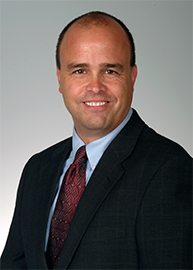
Matthew Carpenter, Ph.D.
Professor
Psychiatry & Behavioral Sciences
Tobacco cessation
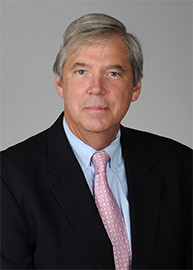
Kenneth Cummings, Ph.D.
Professor
Psychiatry & Behavioral Sciences
Studying ways to more rapidly disseminate evidence-based interventions to reduce the harms caused by tobacco use.
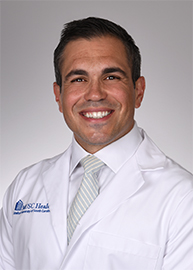
Thomas Curran, M.D., MPH
Associate Professor
Surgery
Optimizing equitable delivery of guideline concordant cancer care with an emphasis on postoperative venous thromboembolism prophylaxis

Jennifer Dahne, Ph.D.
Professor
Psychiatry & Behavioral Sciences
Development and evaluation of technology-based smoking cessation interventions for delivery within primary care
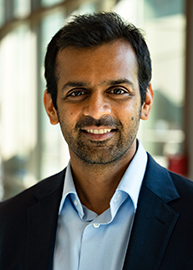
Ashish Deshmukh, Ph.D.
Professor
Public Health Sciences
Cancer epidemiology and decision science, human papillomavirus, anal cancer, cervical cancer, oropharyngeal cancer
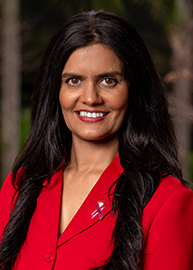
Gayathri Devi, Ph.D.
Professor
Surgery
Bedside to bench to curbside (population) studies toward improving cancer diagnosis, treatment, prevention.
Ashley Dowd, Ph.D.
Assistant Professor
Psychiatry & Behavioral Sciences
My primary cancer focus is behavioral cancer prevention, particularly reducing tobacco-related cancer risk by examining nicotine/tobacco cessation, harm-reduction strategies, and the influence of cannabis co-use on cessation outcomes.
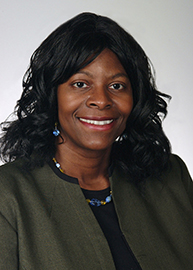
Marvella Ford, Ph.D.
Professor
Public Health Sciences
My research focus is on developing and testing interventions to increase the participation of focal populations in cancer research and to increase adherence to evidence-based cancer prevention/control and treatment strategies.
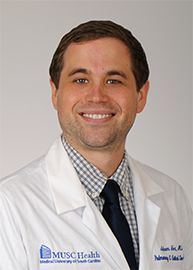
Adam Fox, M.D.
Assistant Professor
Medicine
Improving outcomes for patients with non-small cell lung cancer by improving utilization of biomarker testing that directs treatment decisions at the time of diagnosis, recurrence, and progression.
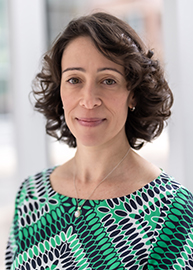
Roberta Freitas-Lemos, Ph.D.
Assistant Professor
Psychiatry & Behavioral Sciences
Enhance health equity in cancer prevention and control by developing innovative strategies to improve policies and treatment for tobacco, cannabis, alcohol, ultraprocessed foods, and related co-occurring conditions.

Ashvita Garg, Ph.D.
Postdoctoral Fellow
Public Health Sciences
Human Papillomavirus (HPV)-related cancer prevention research
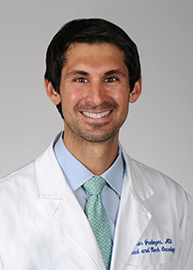
Evan Graboyes, M.D.
Professor
Otolaryngology
The development, evaluation, and implementation of multilevel interventions to improve the timeliness, equity, and quality of care delivery for patients with cancer along the care continuum
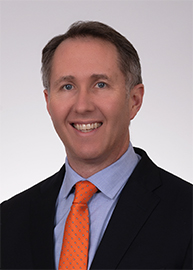
Kevin Gray, M.D.
Professor
Psychiatry & Behavioral Sciences
Cancer prevention via treatment development and clinical trials of interventions for tobacco, cannabis, and other substance use disorders
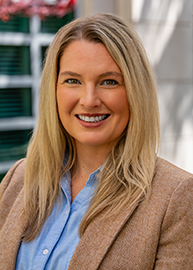
Kelly Hyland, Ph.D.
Assistant Professor
Psychiatry & Behavioral Sciences
Develop, test, and disseminate psychosocial and behavioral interventions to improve symptom management and quality of life in cancer survivors.
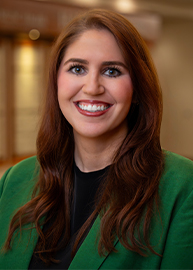
Amanda Kastrinos, Ph.D.
Assistant Professor
Public Health Sciences
Identifying and addressing the psychosocial support needs of cancer caregivers.
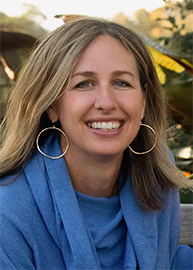
Emily Kistner-Griffin, Ph.D.
Associate Professor
Public Health Sciences
As a member of the Data Science Shared Resource, I collaborate with Hollings investigators on a wide-range of grant and clinical trial development, including numerous investigator-initiated trials.
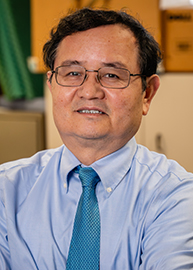
Xingbao Li, M.D.
Associate Professor
Psychiatry & Behavioral Sciences
Non-invasive brain stimulation (e.g., transcranial magnetic stimulation) for smoking cessation in cancer patients
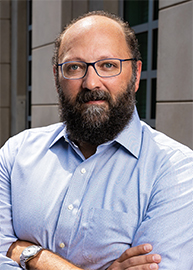
Michael Marrone, Ph.D.
Assistant Professor
Public Health Sciences
Application of epidemiologic methods to facilitate the translation of prostate cancer biomarkers into improved health outcomes
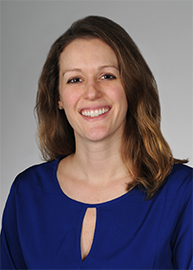
Erin McClure, Ph.D.
Professor
Psychiatry & Behavioral Sciences
Tobacco/nicotine product cessation and strategies to improve long-term abstinence, including the role of cannabis co-use on tobacco cessation outcomes, as well as the study of cannabis use disorder and its treatment

Aimee McRae-Clark, Pharm.D.
Professor
Psychiatry & Behavioral Sciences
Cannabis, co-use of cannabis and tobacco
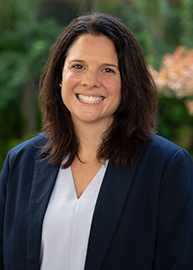
Michelle Mollica, Ph.D.
Associate Professor
Nursing
My research focuses on assessing and improving care and outcomes for cancer survivors and their caregivers.

Brian Neelon, Ph.D.
Professor
Public Health Sciences
Biostatistics and Data Science
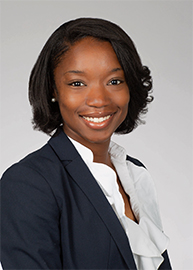
Joni Nelson, Ph.D.
Associate Professor
Biomedical & Community Health Sciences
Head and Neck Cancer / Minority Health Disparities
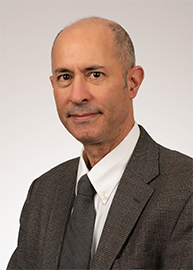
Jihad Obeid, M.D.
Professor
Public Health Sciences
Methodological research using data science approaches on EHRs and SDOH to identify risks for health inequities and poor outcomes in cancer patients

Amanda Palmer, Ph.D.
Assistant Professor
Public Health Sciences
I am interested in cancer prevention broadly, with specific expertise in developing and testing tobacco treatment interventions, exploring the potential for tobacco harm reduction, and assessing population-level prevalence of tobacco use behaviors.
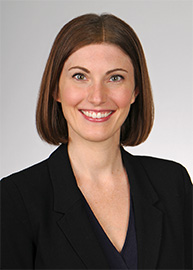
Alana Rojewski, Ph.D.
Professor
Public Health Sciences
Cancer control, namely, tobacco treatment interventions for populations with medical comorbidities and implementing tobacco treatment interventions in the healthcare system
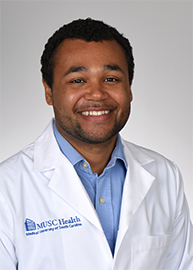
Nicholas Shungu, M.D.
Associate Professor
Family Medicine
Racial prostate cancer disparities and the barriers that black men face to making informed decisions about prostate cancer screening
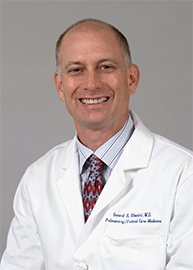
Gerard Silvestri, M.D.
Professor
Medicine
Screening for lung cancer, identifying biomarkers to reclassify risk of developing cancer, and lung nodule evaluation and management
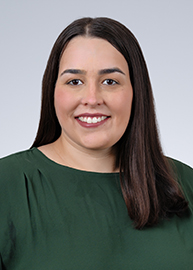
Caitlin Smith, Ph.D
Assistant Professor
Psychiatry & Behavioral Sciences
My research involves developing and evaluating clinical treatment trials for patients with obesity for cancer prevention.
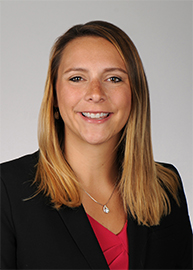
Tracy Smith, Ph.D.
Professor
Psychiatry & Behavioral Sciences
Reducing tobacco use, a leading cause of cancer-related death and disease
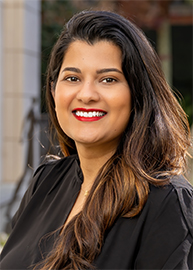
Kalyani Sonawane, Ph.D.
Associate Professor
Public Health Sciences
Prevention and Control; Data Analytics and Visualization
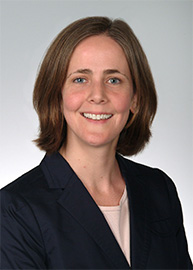
Katherine Sterba, Ph.D.
Professor
Public Health Sciences
Developing and testing digital health supportive care interventions to facilitate positive care transitions for cancer survivors and their caregivers while using implementation science principles to evaluate implementation processes
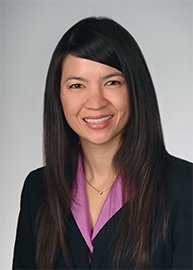
Nichole Tanner, M.D.
Professor
Medicine
Lung cancer diagnostics with a focus on lung cancer screening implementation and the evaluation of biomarkers for early risk and nodule characterization
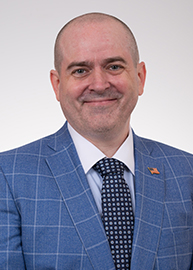
Benjamin Toll, Ph.D.
Professor
Public Health Sciences
Preventing cancer through the development of novel therapeutics for tobacco and nicotine use
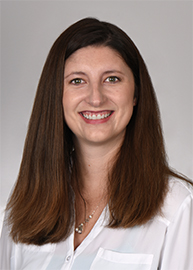
Rachel Tomko, Ph.D.
Associate Professor
Psychiatry & Behavioral Sciences
Understanding individual differences in cannabis and tobacco use to enhance treatment efforts
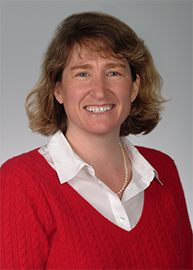
Kristin Wallace, Ph.D.
Professor
Public Health Sciences
Racial differences in immune and microbial responses and risk and outcomes in colorectal cancer