Hollings Cancer Center Members
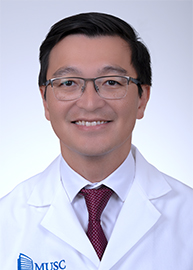
Dauren Adilbay, M.D., Ph.D.
Assistant Professor
Otolaryngology
The Lab will focus on ways of molecular targeted imaging of malignant lesions to early detect, treat, and prevent cancer.
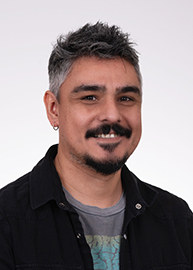
Onder Albayram, Ph.D.
Associate Professor
Pathology & Laboratory Medicine
Aging and Cancer, Meningeal Lymphatics and Tumor Microenvironment
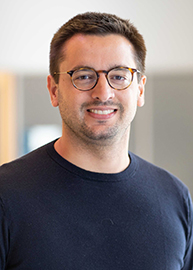
Tim Barnoud, Ph.D.
Assistant Professor
Biochemistry & Molecular Biology
Tumor suppressor genes, targeted therapy, and tumor cell intrinsic functions
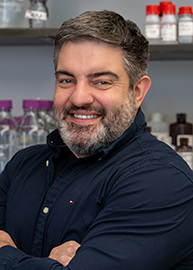
Stefano Berto, Ph.D.
Assistant Professor
Neurosciences
My primary cancer research interest is applying advanced genomic and computational approaches to uncover the molecular mechanisms that drive tumor development, progression, and therapeutic response.
Leidy Diana Caraballo Galva, Ph.D.
Assistant Professor
Pharmacology & Immunology
My research vision is to develop the next generation of CAR T cells that will be both safe and effective against solid tumors.
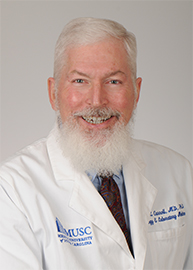
Steven Carroll, M.D., Ph.D.
Professor
Pathology & Laboratory Medicine
Our research program is focused on defining the mechanisms underlying the pathogenesis of NF1-associated peripheral nerve sheath tumors and using that information to develop effective new therapies for these neoplasms
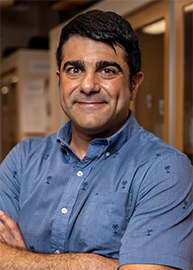
Aguirre De Cubas,
Assistant Professor
Pharmacology & Immunology
Understanding how cancers interact with the immune system to identify molecular determinants of immunogenicity and developing strategies to modulate immunogenicity to enhance response to immune checkpoint blockade therapies. My program's second focus is to understand how commonly mutated chromatin modifiers/remodelers, namely SETD2, BAP1 and PBRM1, contribute to the development and progression of kidney, lung and skin cancers and leveraging synthetic lethal dependencies created by loss-of-function of these genes to develop rational, targeted therapies
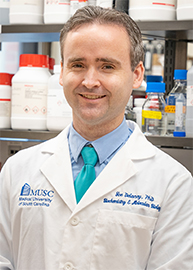
Joe Delaney, Ph.D.
Associate Professor
Biochemistry & Molecular Biology
Mechanistic outcomes of aneuploidy in solid tumors, particularly high-grade serous ovarian cancer; RNA regulation
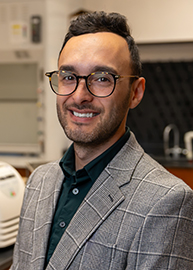
Evan Delgado, Ph.D.
Assistant Professor
Regenerative Medicine and Cell Biology
Liver cancer immune-oncology and metabolic heterogeneity
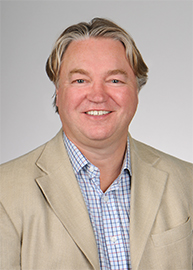
Stephen Duncan, Ph.D.
Professor
Regenerative Medicine and Cell Biology
Regulation of gene expression during endoderm formation and differentiation
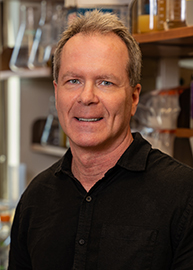
Scott Eblen, Ph.D.
Associate Professor
Pharmacology & Immunology
Dr. Eblen focuses on molecular mechanisms and therapeutics involving protein kinases and E3 ubiquitin ligases in the context of ovarian and breast cancers.
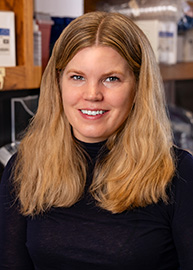
Amy Engevik, Ph.D.
Assistant Professor
Regenerative Medicine and Cell Biology
Investigating the role of Myosin Vb in regulating proliferation, migration, cell adhesion and glucose metabolism in healthy and cancer states.
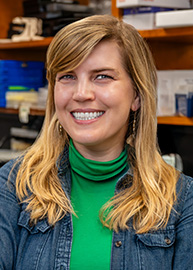
Kristen Engevik, Ph.D.
Assistant Professor
Regenerative Medicine and Cell Biology
My lab is focused on elucidating the role of epithelial purinergic signaling (an important route of cell communication) within gastrointestinal cancers, specifically colon cancer.
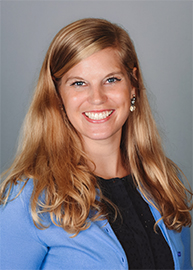
Melinda Engevik, Ph.D.
Associate Professor
Regenerative Medicine and Cell Biology
The study of how microbes influence cancer development and progression
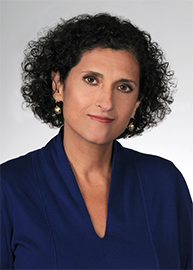
Carol Feghali Bostwick, Ph.D.
Professor
Medicine
Development of cancer therapies
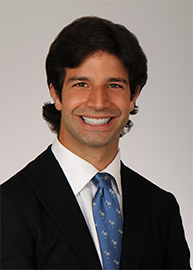
Leonardo Ferreira, Ph.D.
Assistant Professor
Pharmacology & Immunology
Engineering immune cells as living drugs for solid tumors
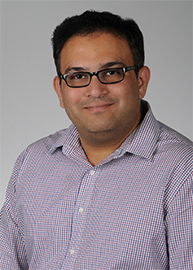
Vamsi Gangaraju, Ph.D.
Associate Professor
Biochemistry & Molecular Biology
Delineate the molecular mechanisms by which the Piwi-piRNA pathway silences transposons and maintains genome integrity
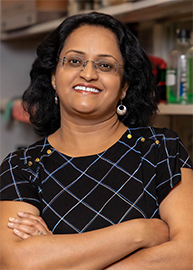
Radhika Gudi, Ph.D.
Assistant Professor
Pharmacology & Immunology
Oral cancer and cell biology
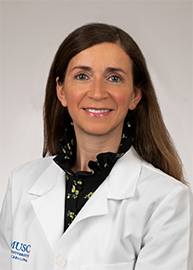
Silvia Guglietta, Ph.D.
Associate Professor
Regenerative Medicine and Cell Biology
Investigating the mechanisms linking the dysregulation of components of the innate immune system to the induction of intestinal inflammation, alterations of the intestinal microbiota and the development of CRC in colorectal cancer.
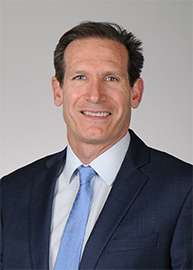
Denis Guttridge, Ph.D.
Professor
Pediatrics
NF-kB signaling in the regulation of the development and progression of adult (pancreatic) and childhood (rhabdomyosarcoma) tumors and associated quality of life syndromes including cachexia
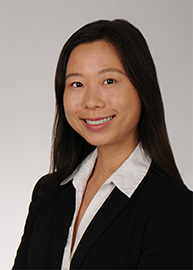
Lu Han, Ph.D.
Assistant Professor
Biochemistry & Molecular Biology
Origin, heterogeneity and function of pancreatic cancer associated fibroblasts in modulating the pancreatic cancer microenvironment.
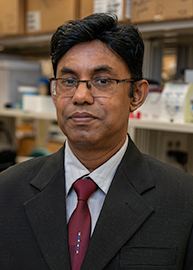
Azizul Haque, Ph.D.
Associate Professor
Pharmacology & Immunology
Studies in Dr. Haque's laboratory are probing the factors responsible for immune evasion by G-cell lymphomas. While MHC class I-restricted CD8+ T cells are effector cells in anti-tumor immune responses, MHC class II-restricted CD4+ T cells can play critical roles in initiating, regulating, and maintaining anti-tumor immune responses. Since most B-cell tumors express MHC class II molecules, these tumors can be potential target for CD4+ T cells.
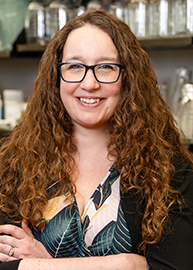
Jessica Hartman, Ph.D.
Associate Professor
Biochemistry & Molecular Biology
Mitochondrial/metabolic adaptations in cancer driven by changes in cytochrome P450 2E1 (CYP2E1) expression and subcellular localization and by changes in ploidy (genome copy number)
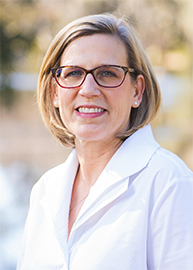
Elizabeth Hill, Ph.D.
Professor
Public Health Sciences
Biostatistics and Data Science
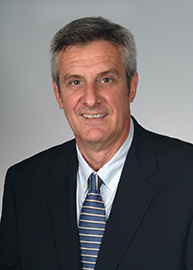
Philip Howe, Ph.D.
Professor
Biochemistry & Molecular Biology
TGFβ and RNA proteins and their regulation of tumor progression
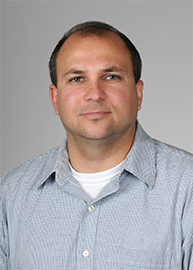
Andrew Jakymiw, Ph.D.
Associate Professor
Biomedical & Community Health Sciences
The study of RNA silencing-based therapies for cancer, in particular, the development of peptide carrier-mediated targeted delivery strategies of therapeutic small RNA molecules for the treatment of oral cancer
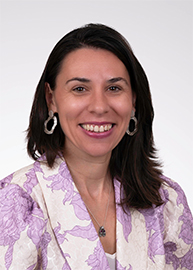
Judit Jimenez Sainz, Ph.D.
Assistant Professor
Biochemistry & Molecular Biology
BRCA and DNA repair related cancers (Variants of uncertain Significance)
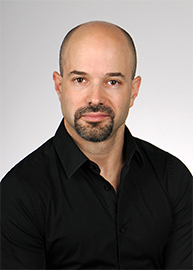
Antonis Kourtidis, Ph.D.
Associate Professor
Regenerative Medicine and Cell Biology
Interaction of epithelial cell-cel adhesion complexes and RNA-binding proteins in post-transcriptional suppression of oncogenes and of pro-tumorigenic transformation

Carsten Krieg, Ph.D.
Assistant Professor
Pathology & Laboratory Medicine
My research is centered around finding novel enhanced cytokine formulations to immunotherapy of cancer.
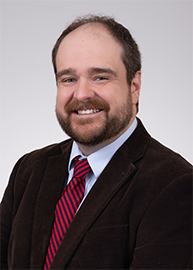
Casey Langdon,
Assistant Professor
Pediatrics
Understanding how dysregulated subcellular localization contributes to tumorigenesis in both pediatric and adult cancers.
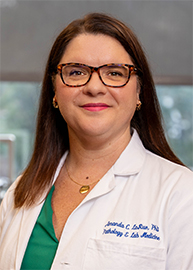
Amanda LaRue, Ph.D.
Professor
Pathology & Laboratory Medicine
The development of improved methods for the identification, purification, culture and transplantation of hematopoietic stem cells (HSCs)
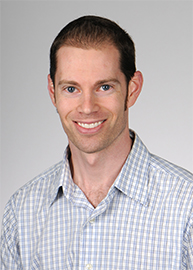
David Long, Ph.D.
Professor
Biochemistry & Molecular Biology
Genome integrity and cancer predisposition
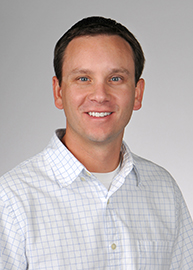
Patrick Mulholland, Ph.D.
Professor
Neurosciences
I am interested in how alcohol exacerbates risk for developing cancer.
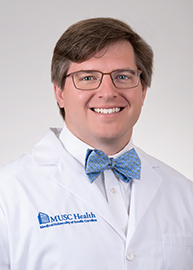
David Mysona, M.D.
Assistant Professor
Obstetrics & Gynecology
I am focused on understanding the immune microenvironment of gynecologic malignancies particularly endometrial cancer.
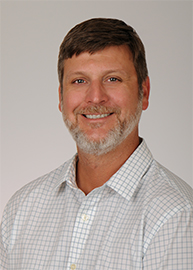
Richard O'Neil, Ph.D.
Assistant Professor
Pharmacology & Immunology
Engineer T cells for oncology applications and study adaptive immunity in the context of cancer
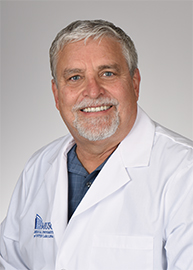
Michael Ostrowski, Ph.D.
Professor
Biochemistry & Molecular Biology
Signaling networks in the tumor microenvironment and how they impact tumor progression
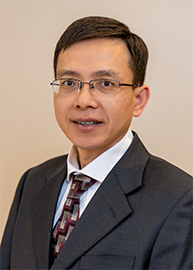
Jian Ouyang, Ph.D.
Assistant Professor
Biochemistry & Molecular Biology
Understanding and targeting genomic instability in cancers
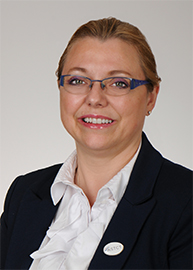
Sophie Paczesny, M.D., Ph.D.
Professor
Pharmacology & Immunology
Understanding the mechanisms that regulate anti-cancer functions of immune cells and immune tolerance
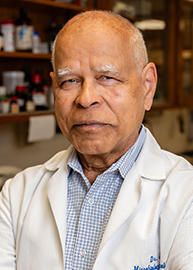
Janardan Pandey, Ph.D.
Professor
Pharmacology & Immunology
Examining the roles of Fc (GM) and Fcg receptor genes in the pathogenesis of cancer
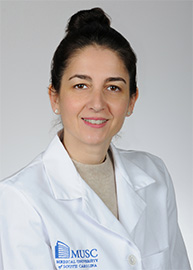
Jezabel Rodriguez-Blanco, Ph.D.
Associate Professor
Pediatrics
Study of the mechanisms allowing brain tumors to relapse
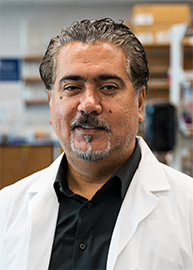
Ozgur Sahin, Ph.D.
Professor
Biochemistry & Molecular Biology
Elucidating the mechanisms of cancer therapeutics, drug resistance, and metastasis in breast cancer
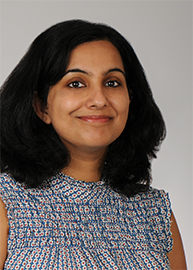
Natalie Saini, Ph.D.
Associate Professor
Biochemistry & Molecular Biology
Mutagenic mechanisms that contribute to carcinogenesis
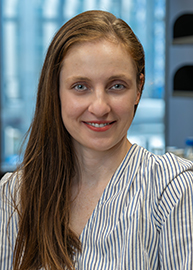
Christin Schmidt, Ph.D.
Assistant Professor
Neurosciences
My primary research interest is to develop human models for pediatric brain cancers, utilizing these to clarify mechanisms of tumor initiation, the role of the tumor microenvironment and to identify therapeutic vulnerabilities.
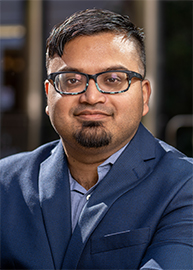
Souvik Seal,
Assistant Professor
Public Health Sciences
Bioinformatics/biostatistical problems originating from cancer datasets
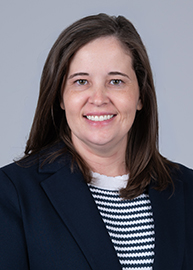
Sara Sidles, Ph.D.
Assistant Professor
Pathology & Laboratory Medicine
Immunological mechanisms that drive inflammation and promote cancer progression
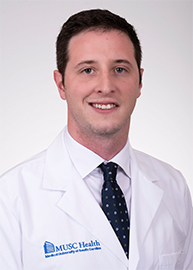
Ben Strickland,
Assistant Professor
Neurosurgery
Meningioma Immunotherapy
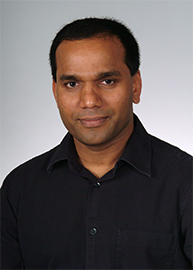
Chenthamarakshan Vasu, Ph.D.
Professor
Pharmacology & Immunology
Immune cell functions in autoimmune diseases
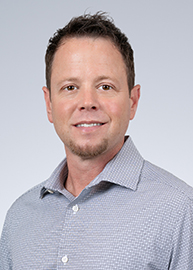
Noel Warfel, Ph.D.
Associate Professor
Biochemistry & Molecular Biology
Defining the role of hypoxia in prostate cancer metastasis and therapeutic resistance.
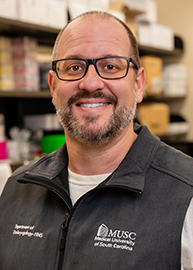
Brent Wilkerson, Ph.D.
Assistant Professor
Otolaryngology
Pathological mechanisms of cisplatin ototoxicity and testing of otoprotective treatments targeting angiogenesis and vascular function in the inner ear
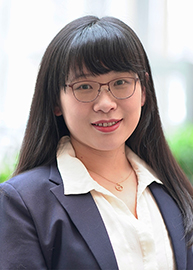
Song Xiao, Ph.D.
Assistant Professor
Neurosciences
My research focuses on understanding how RNA splicing and the tumor immune microenvironment contribute to glioma progression and treatment resistance.
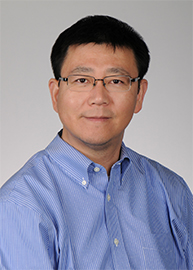
Hai Yao, Ph.D.
Professor
Oral Health Sciences
Determine extracellular physical and chemical environment and its impact on cell energy metabolism
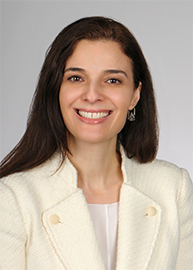
Ozlem Yilmaz, Ph.D., D.D.S.
Professor
Biomedical & Community Health Sciences
Role of Opportunistic Bacteria in Cancer Development and Response to Therapy
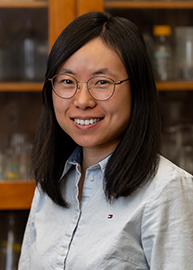
Huimin Zhang, Ph.D.
Assistant Professor
Biochemistry & Molecular Biology
Understanding the molecular mechanisms underlying genomic instability and exploring ways to target these mechanisms for cancer treatment.